
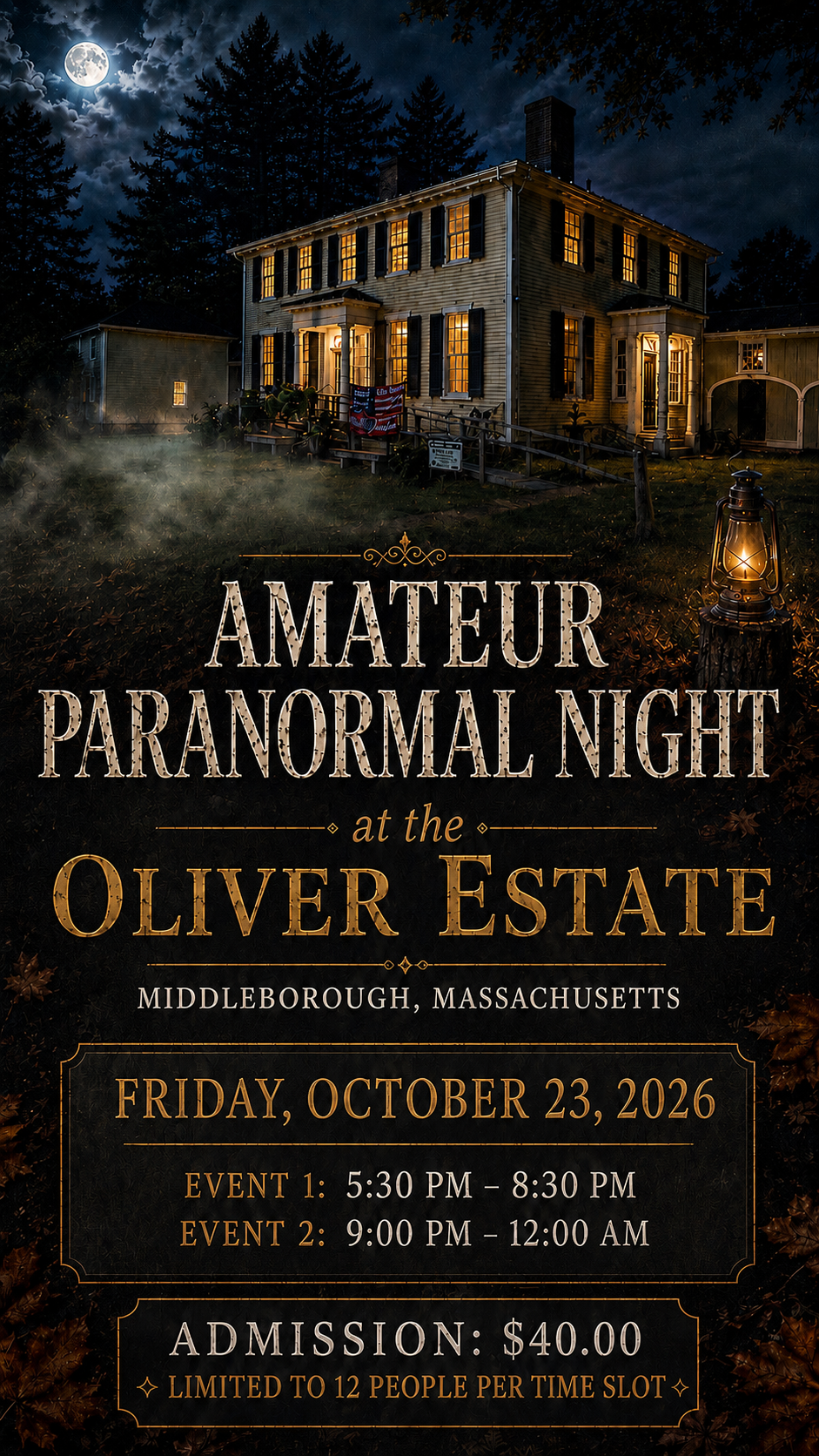
 SOLD OUT
AMATEUR PARANORMAL NIGHT AT THE OLIVER ESTATE
9pm – 12am
445 Plymouth Street Middelborough,MA 02346
AMATEUR PARANORMAL NIGHT AT THE OLIVER ESTATE
40.00
Sold out Event details
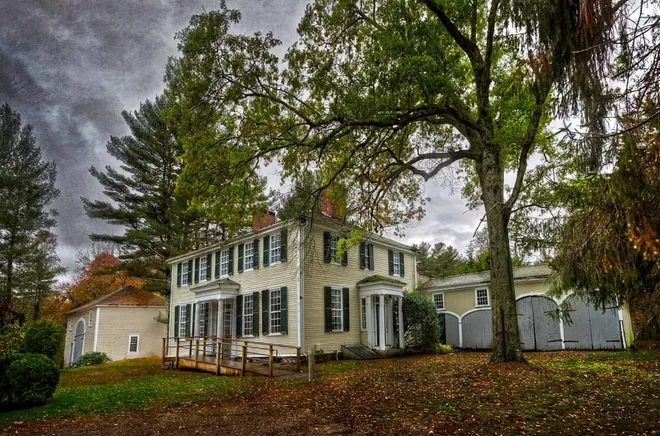
Historic landmark
445 Plymouth Street, Middleborough, MA. A historic house in Muttock, the historic name used for this part of Middleborough, traditionally dated to 1769, now owned by the Town of Middleborough.
The Oliver House — sometimes called the Small Oliver House, to distinguish it from the larger Oliver Hall that once stood nearby — stands on Plymouth Street in Muttock, the historic name used for this part of Middleborough. Published histories commonly credit Judge Peter Oliver with building it for his son, Dr. Peter Oliver Jr., who married Sally Hutchinson, daughter of Lieutenant-Governor Thomas Hutchinson, in February 1770.
During the American Revolution the Oliver family left Massachusetts. Later published accounts describe the house passing through the Weston, Sproat, and Jones families, then returning to an Oliver relation — Peter Oliver of Mount Kisco, a different person from Dr. Peter Oliver Jr. — who restored it in the 1940s. The Town of Middleborough acquired the historic-house parcel in 2016. Since mid-2026, the Middleborough Tourism Committee has served as caretaker.
Experience the Oliver House through one of our scheduled tours, special events, or programs. We look forward to welcoming visitors and sharing the history of this remarkable property.
445 Plymouth Street, Middleborough, MA
Look up the property on Plymouth Street in Middleborough.
Programs currently listed for the Oliver Estate in the public events calendar.
SOLD OUT
9pm – 12am
445 Plymouth Street Middelborough,MA 02346
AMATEUR PARANORMAL NIGHT AT THE OLIVER ESTATE
40.00
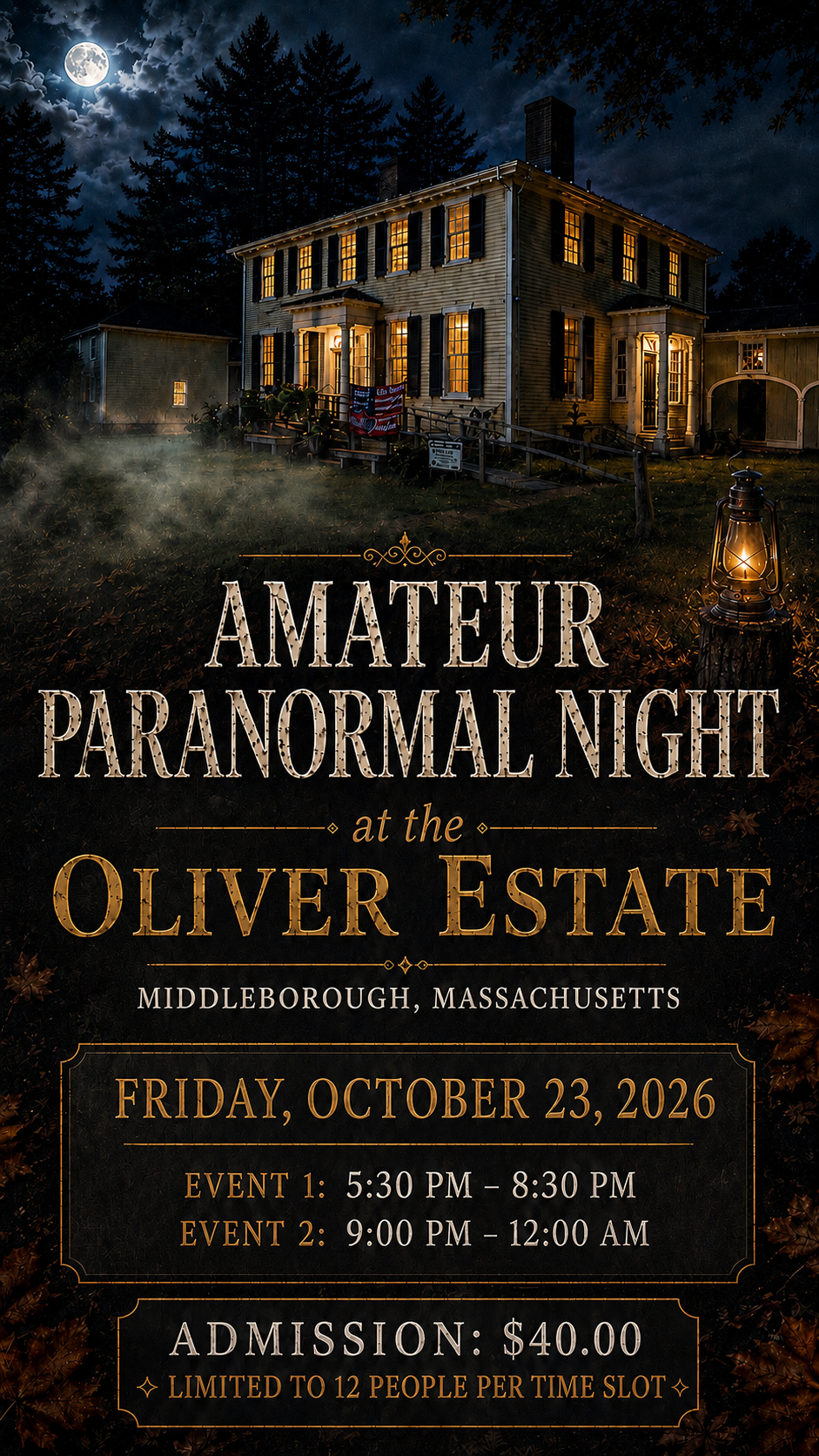 SOLD OUT
530pm – 830pm
445 Plymouth street Middleborough,MA 02346
AMATEUR PARANORMAL NIGHT AT THE OLIVER ESTATE
40.00
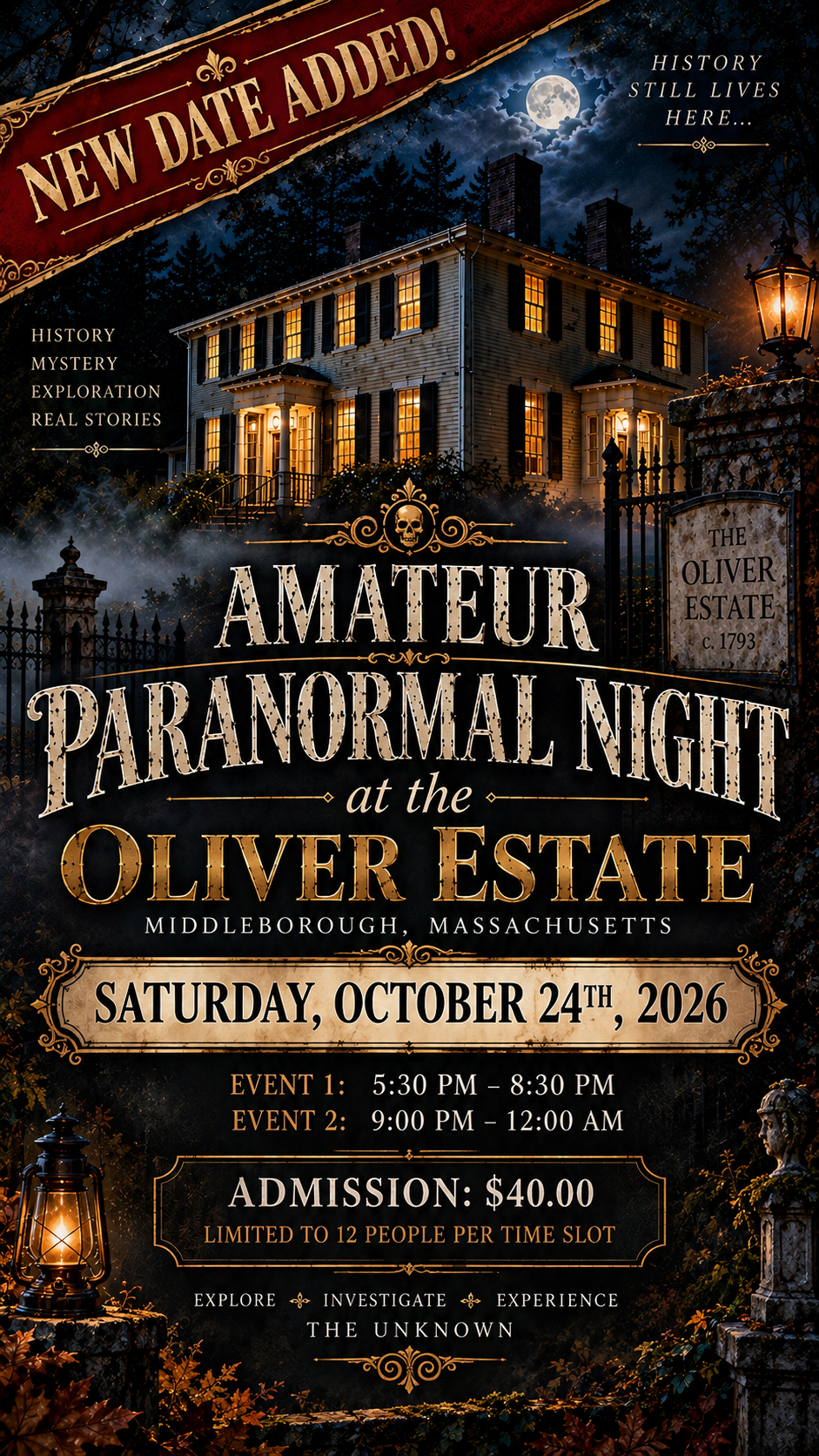
530pm-830pm and 9pm-12am – 12am
445 Plymouth St Middleborough, MA 02346
JUST ADDED A 2ND NIGHT!!! AMATEUR PARANORMAL NIGHT AT THE OLIVER ESTATE
40.00
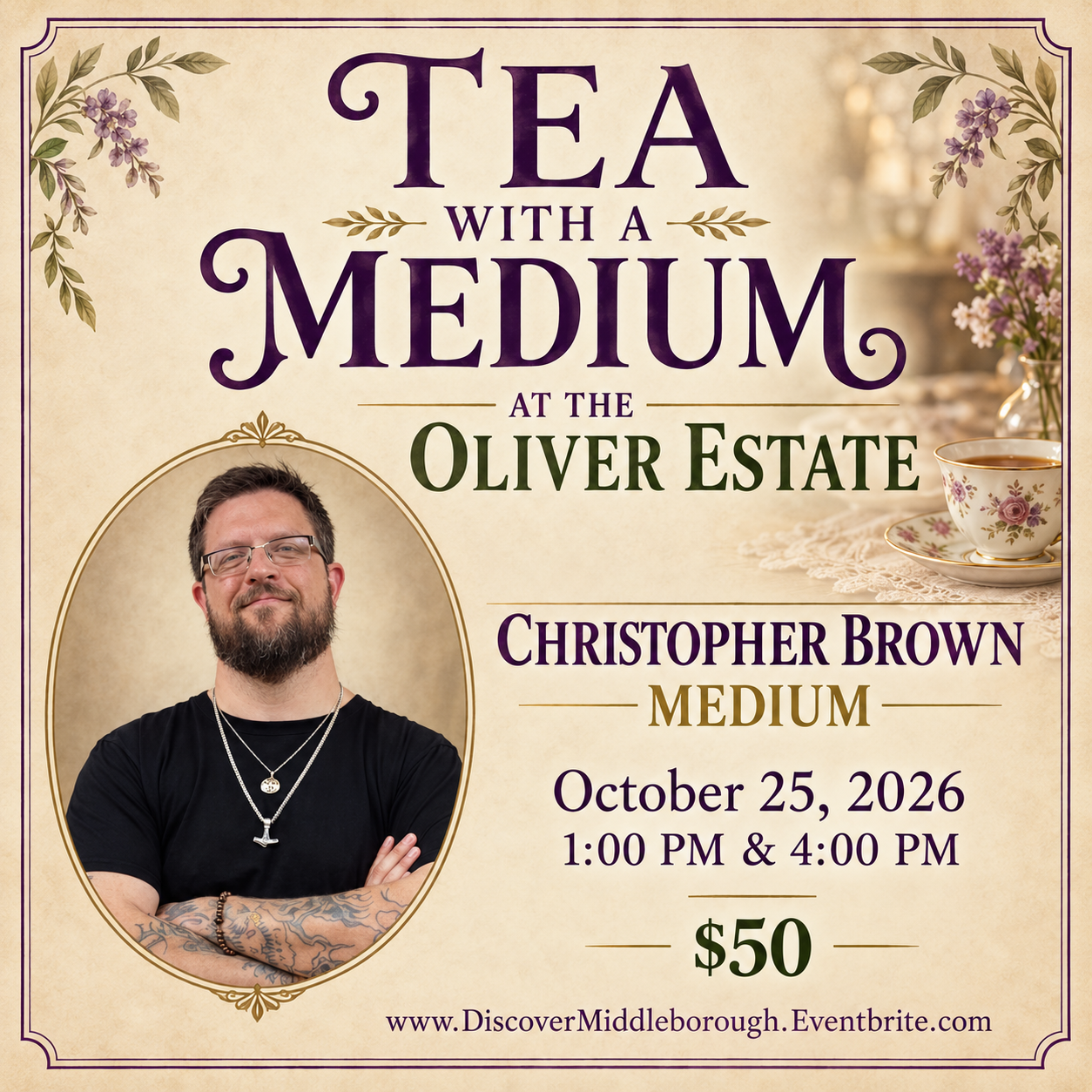
Seatings: 1pm and 4pm
445 Plymouth St, Middleboro, MA 02346
Middleborough Tourism presents Tea with a Medium at the Oliver Estate, a Spirited Halloween Season Experience MIDDLEBOROUGH, MA
50.00
Experience the Oliver Estate after dark during scheduled paranormal investigation nights at this historic property.
A historic setting for private rentals and special gatherings.
Published histories traditionally date the house to 1769 and commonly credit Judge Peter Oliver — Harvard graduate, colonial Chief Justice, and founder of ironworks in Muttock, the historic name used for this part of Middleborough — with its construction. The smaller house is distinguished from Oliver Hall, the larger family seat that once stood nearby.
Dr. Peter Oliver Jr. and Sally Hutchinson Oliver are associated with the house after their February 1770 marriage. Published accounts of a mid-twentieth-century restoration describe a 1769 penny in a doorsill, dates on the chimney foundation, and handwriting behind wallpaper — evidence later writers have used to favor 1769 over an earlier reported date of 1762.
As Loyalists, members of the Oliver family left during the American Revolution. Published histories record that Oliver Hall was burned, that the smaller house was confiscated by the Commonwealth, and that Dr. Peter Oliver Jr. left Massachusetts in 1776 and did not return.
Published histories use the spelling Weston. After the Revolutionary confiscation, the house passed through several owners before Judge Thomas Weston acquired it on 16 January 1798. A nineteenth-century county history says he married Abigail Doggett that same year and lived in the mansion built for Dr. Peter Oliver Jr. until his death in 1834.
Weston came from iron work at Carver to the mills and store at Muttock, the historic name used for this part of Middleborough. He served in the Massachusetts House and Senate, on the Governor’s Council, and as chairman of the Court of County Commissioners — the office from which the title Judge is taken. 1798 is not the start of an unbroken Oliver-to-Weston chain.
After Weston’s death the house passed ultimately to his daughter Bethaniah (Weston) Sproat, wife of Earl Sproat. The same county history says Earl then owned and occupied the mansion. Local history places his death in 1864, after which the property is described as passing to their son Dr. Henry H. Sproat of Freetown, then to Henry’s minor daughter Eleanor Bethania Sproat.
Eleanor’s mother and guardian, Katherine Ann Sproat, sold the house in October 1893 to Henry Champion Jones. The research does not treat Weston and Sproat occupancy as one uninterrupted household from 1798 to 1893.
Henry Champion Jones acquired the Oliver House in 1893 and his family used it as a summer residence for roughly half a century. Deborah Champion Jones painted a world-map mural upstairs in the early 1900s, and Henry’s plantings shaped the grounds.
Following Henry’s death in 1942, the property remained with his family until the mid-1940s. Peter Oliver of Mount Kisco — a later Oliver relation, not Dr. Peter Oliver Jr. — then purchased the house and undertook a restoration intended to recover its eighteenth-century appearance.
Published histories also associate Starr O. Lawrence with continued care of the house during the family’s twentieth-century ownership, and Prudence O. Harper, an Oliver descendant, with advocating for preservation during the Town’s acquisition process.
Oliver period, then Weston, then Sproat, then later owners. The research does not describe these as one uninterrupted household.
1769
Traditional date
Published histories commonly credit Judge Peter Oliver with building the house in Muttock, the historic name used for this part of Middleborough, likely for his son.
1770s
Residence associated
The couple is associated with the house following their February 1770 marriage.
American Revolution
Published account
Published histories record that Oliver Hall was burned, the smaller house confiscated, and Dr. Peter Oliver Jr. departed in 1776.
1798
Published ownership and residence
Judge Thomas Weston acquired the house on 16 January 1798. A county history says he and Abigail Doggett lived in the mansion from their 1798 marriage until his death in 1834.
After 1834
Published ownership account
The house passed ultimately to Bethaniah (Weston) Sproat and was owned and occupied by Earl Sproat. After 1864 it is described as passing to their son Henry, then to a granddaughter, and sold in October 1893.
1856
Published account
Born August 14, 1856, in Tisbury on Martha’s Vineyard. He later taught at Boston Latin School and acquired the Oliver House in 1893.
1880–1881
Published account
Henry Champion Jones earned an A.B. in 1880 and an A.M. in 1881 from Harvard.
1893
Recorded deed
Henry Champion Jones purchased the former Sproat property for $2,000 from Katherine Ann Sproat, guardian of Eleanor Bethania Sproat, under probate authorization.
1901
Published account
Henry Champion Jones and Ethel Bowditch Jones married on March 30, 1901.
Early 1900s
Town preservation record
Deborah Champion Jones painted a decorative world-map mural in an upstairs bedroom she shared with her sisters.
Jones era
Preservation research
Henry Champion Jones is credited with specimen trees and, preservation research suggests, may have helped establish plantings around the front of the house.
1936
Federal record
The Oliver House and stable were recorded for the Historic American Buildings Survey, preserving photographs and measured drawings.
1942
Published account
Henry died May 15, 1942, in Cambridge. The property remained with his family before passing to new ownership in the mid-1940s.
Mid-1940s
Published account
Following Henry’s death, the property remained with his heirs until it passed to new ownership in the mid-1940s.
1945
Published account
A later Oliver relation — distinct from Dr. Peter Oliver Jr. — purchased the house and restored it toward its Revolutionary-era appearance.
2015–2016
Town ownership
Town Meeting voters approved acquisition in April 2015. The Town completed the purchase in 2016.
c. 2017
Approximate date
Published caretaker copy places comprehensive envelope and interior restoration around 2017, after which the house continued as a public historic site.
2026
Caretaking, not ownership
In mid-2026 the Middleborough Tourism Committee became the official caretakers. The Town of Middleborough remains the owner.
Traditionally dated from 1769 through the Revolution
Published histories commonly credit Judge Peter Oliver with building this smaller house for his son, Dr. Peter Oliver Jr., who married Sally Hutchinson in February 1770. The family left Massachusetts during the Revolution. Later Peter Oliver of Mount Kisco, a different person, belongs with the twentieth-century owners below — not with this colonial household.
1713–1791
Click image to enlarge
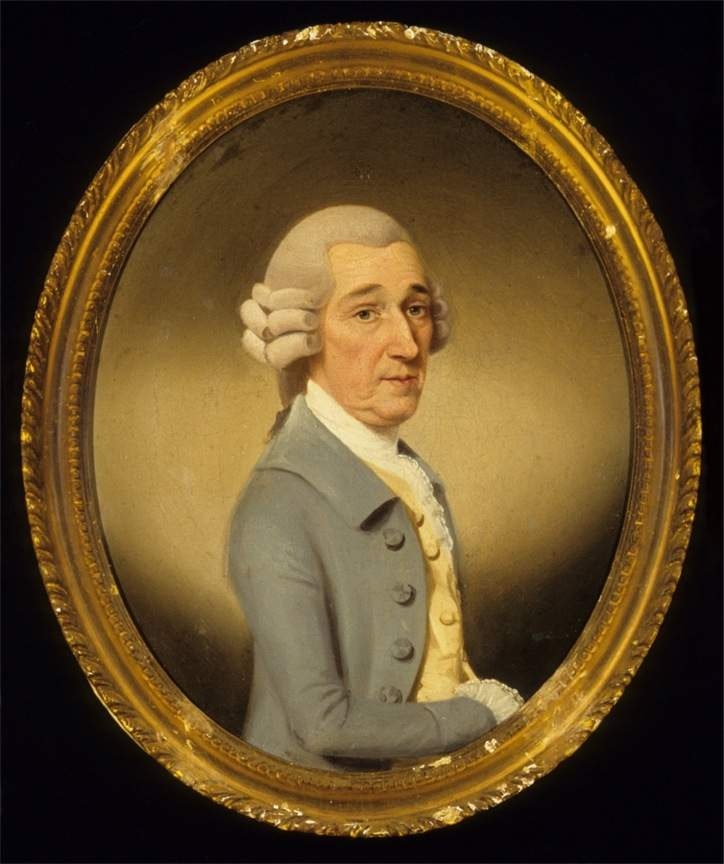
Judge Peter Oliver (1713–1791) Oil portrait, 1781
Historical portrait
This portrait depicts Chief Justice Peter Oliver (1713–1791). It must not be confused with his son, Dr. Peter Oliver Jr. (1741–1822).
Builder (traditional credit)
Harvard graduate and colonial Chief Justice who established ironworks in Muttock, the historic name used for this part of Middleborough. Published histories traditionally credit him with building the house in 1769. He is not described as a resident of this smaller house.
1741–1822
Click image to enlarge
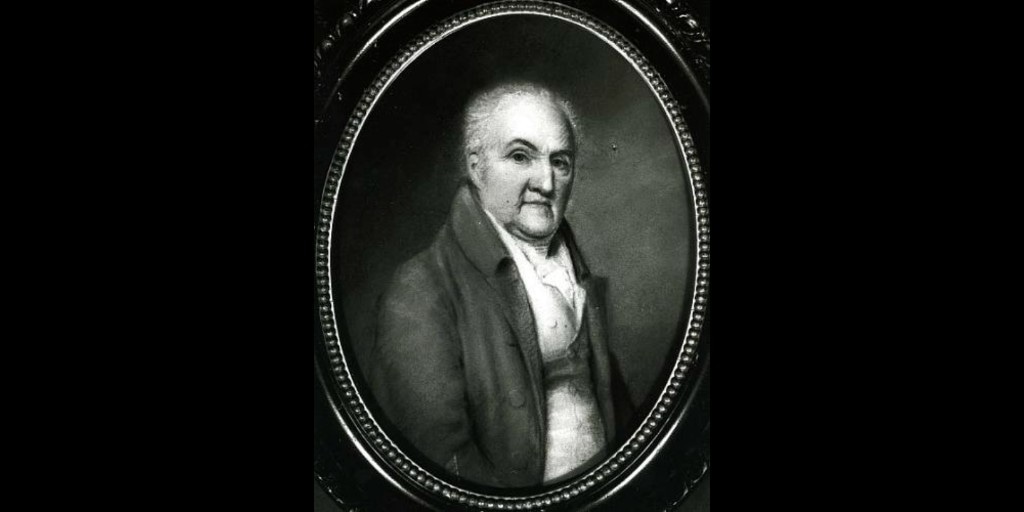
Dr. Peter Oliver Jr. (1741–1822) Portrait, circa 1805–1820
Yale University Art Gallery / National Portrait Gallery
This portrait depicts Dr. Peter Oliver Jr. (1741–1822). It must not be confused with portraits of his father, Chief Justice Peter Oliver (1713–1791).
Physician and early resident
Son of Judge Peter Oliver and the house’s early resident physician. He married Sally Hutchinson in 1770 and left Massachusetts during the Revolution, departing in 1776.
1749–1829
Click image to enlarge
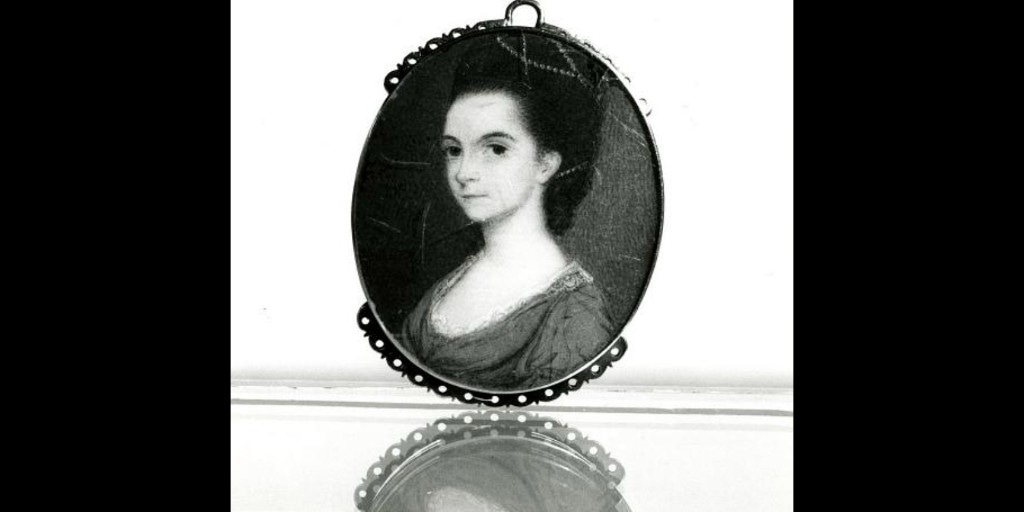
Sarah “Sally” Hutchinson Oliver (1744–1780) Portrait miniature by Henry Pelham, circa 1770–1780
Yale University Art Gallery / National Portrait Gallery
Early resident · wife of Dr. Peter Oliver Jr.
Daughter of Lieutenant-Governor Thomas Hutchinson. She married Dr. Peter Oliver Jr. in February 1770. Published histories say she raised three children in the house.
Associated from 1798
Published histories spell the name Weston, not Westin. After several owners following the Revolutionary confiscation, Judge Thomas Weston acquired the house on 16 January 1798. A Plymouth County history says he married Abigail Doggett that September and lived in this mansion until his death in 1834.
Available church, cemetery, published-history, and genealogical records support a nine-child family. Thomas and Abigail Weston had nine children. The surviving records show that two family names were reused after earlier children died young: there were two daughters named Bethania and two sons named Henry.
This chapter is separate from the Sproat household that followed.
1770–1834
Click image to enlarge
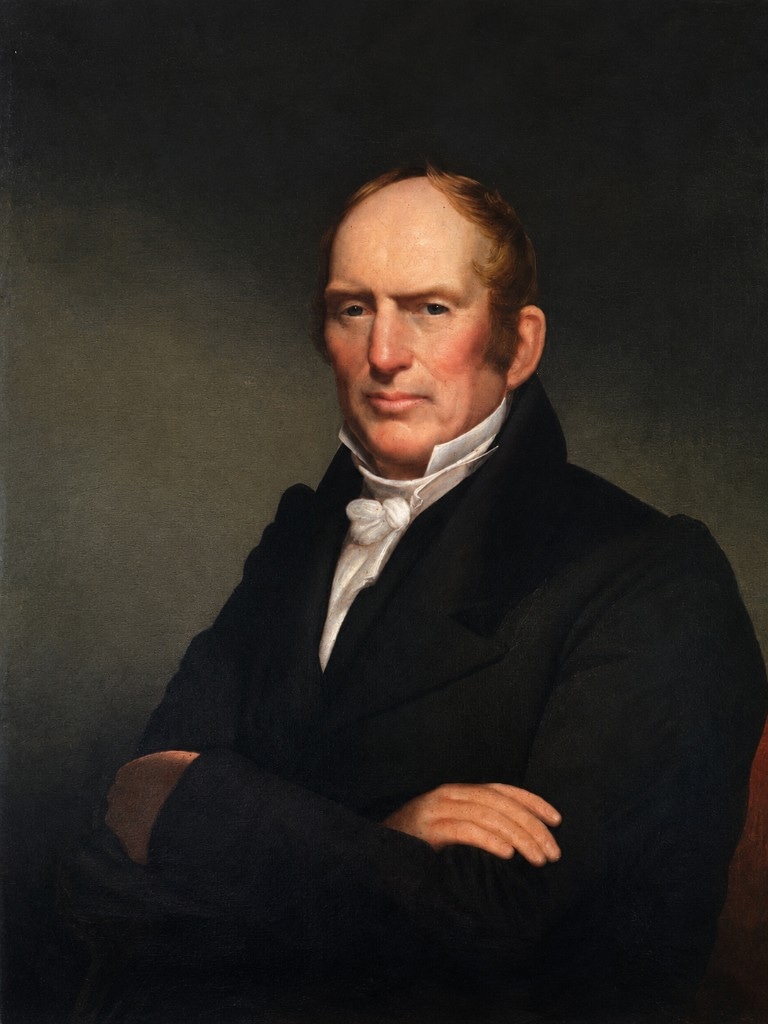
Judge Thomas Weston (1770–1834) Original Weston family portrait
Owner from 1798 · documented resident
Son of Edmund Weston Jr. He came from iron work at Pope’s Point Furnace in Carver to the mills and store at Muttock, the historic name used for this part of Middleborough. He served in the Massachusetts House and Senate, on the Governor’s Council, and as chairman of the Court of County Commissioners — the office that gave him the title Judge. Published local history dates his purchase of this house to 16 January 1798. A county history says he lived here from his 1798 marriage until his death in 1834.
1775–1830
Click image to enlarge
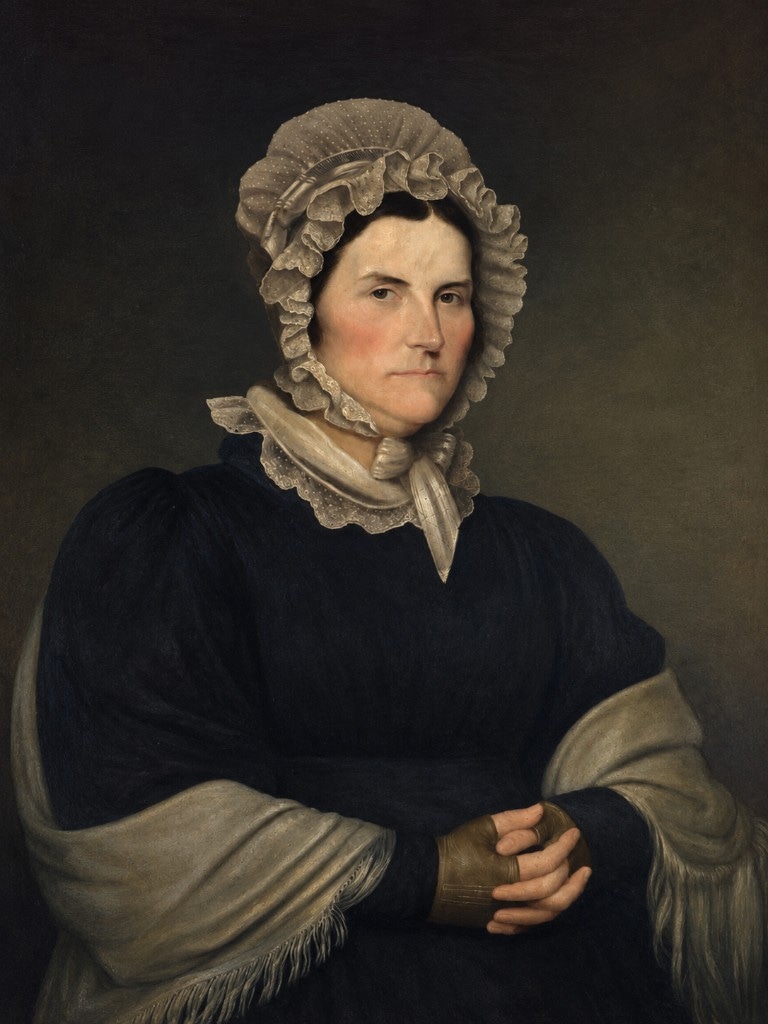
Abigail “Nabby” Doggett Weston (1775–1830) Original Weston family portrait
Wife of Judge Thomas Weston
Daughter of Simeon Doggett. She married Thomas Weston on 30 September 1798. The First Church recorded her death on 11 August 1830, aged 55. The county history describes her as presiding over the household in the Oliver mansion.
The list below draws on church, cemetery, published county history, and genealogical reconstruction. Approximate years are marked “c.” Residence at this house is not claimed for every child unless separately documented.
The family appears to have reused the names Bethania and Henry after the earlier children with those names died young, a practice that was not unusual in the period.
c. 1800/1801–1854
1802–1803
Died as a young child.
February 27, 1804–February 12, 1888
Later Col. Thomas Weston.
c. 1805–1830
c. 1808–1877
Later married Earl Sproat.
c. 1809–1849
Later married Reland Tinkham.
c. 1810–1877
c. 1812–January 23, 1813
Died at about eight months old.
1817–June 10, 1863
After 1834 · sale recorded October 1893
Bethaniah (Weston) Sproat married Earl Sproat. After Judge Weston’s death, a county history says Earl owned and occupied this mansion. Local history places his death in 1864 and describes the property passing to their son Dr. Henry H. Sproat of Freetown, then to Henry’s minor daughter Eleanor Bethania Sproat.
Eleanor’s mother and guardian, Katherine Ann Sproat, sold the house in October 1893 to Henry Champion Jones. Surviving children named in published local history are Mary, Thomas C., and Henry. This is a family-history chapter, not a separate Weston household.
died 1864
Later owner-occupant · published account
Husband of Bethaniah Weston. Church records use Earl; local house history often writes Earle. A county history says he owned and occupied the mansion after Thomas Weston’s death. Recollecting Nemasket, drawing on a Middleboro Gazette memoir, places his death on 9 May 1864 and describes tuberculosis “of the old fashioned sort.” He held a share of the mills at Muttock, the historic name used for this part of Middleborough, and later acted as a guano agent.
Daughter of Judge Thomas Weston · later household
The genealogical bridge between the Weston and Sproat chapters. The First Church records her marriage to Earl Sproat. Published research says the house passed ultimately to her after her father’s death. Whether that transfer was by will, deed, or dower has not been recovered. Birth and death dates are not confirmed here, and she is not described as having been born or having died in this house.
1837–1888
Daughter · landscape painter
Named among the couple’s surviving children in published local history. Recollecting Nemasket and Green School History identify her as a Middleborough landscape painter, including an oil of the 1871 Green School. Adult residence at this house is not stated in those accounts.
Son
Published local history says he studied law and “had a promising future, but died when a young man.” Exact dates are not confirmed here. He is not one of the three young children recorded on the Nemasket Hill stones.
1842–1892
Click image to enlarge
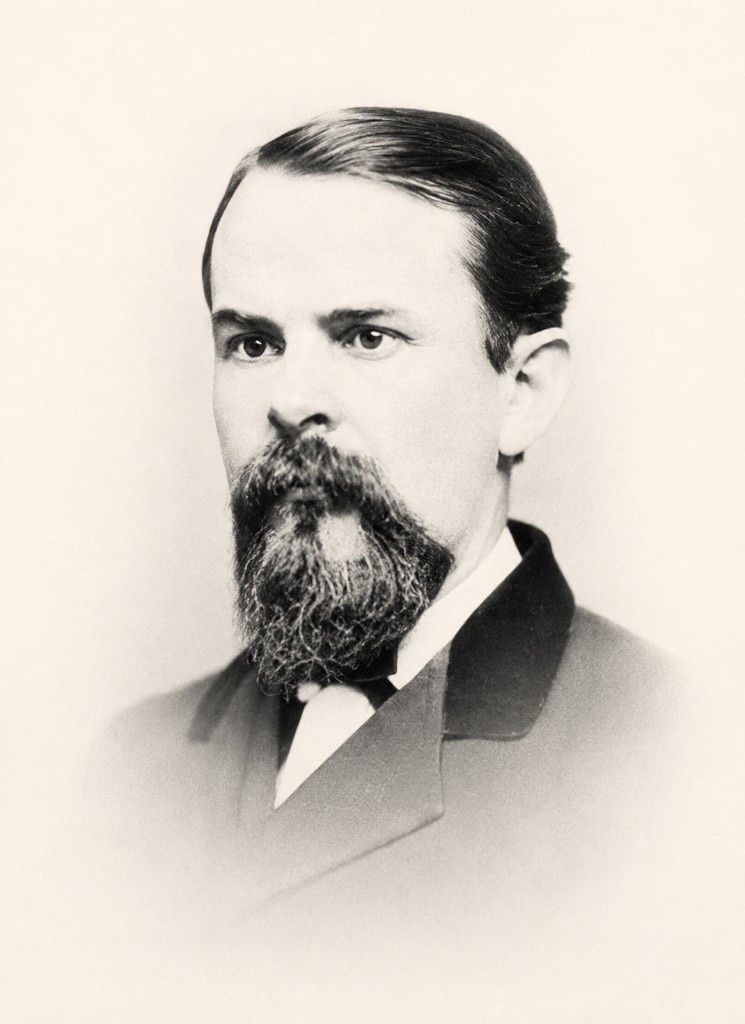
Dr. Henry Hamilton Sproat (1842–1892) Portrait published in A History of the Town of Freetown, Massachusetts, 1902.
Son · later owner · Freetown physician
Henry Hamilton Sproat was the son of Earl/Earle Sproat and Bethania Weston Sproat. Born in Middleborough on April 10, 1842, he spent his early life at the Sproat homestead in Muttock, the historic Oliver House. He later studied medicine and became a physician. Named in published house history as inheriting after Earl Sproat’s death. A Freetown historical lexicon lists Henry Sproat (1842–1892) among that town’s physicians; a county sketch names Dr. Henry H. Sproat of Assonet as a student of Dr. W. W. Comstock. Later residence in Freetown is not the same as documented occupancy of this house.
Granddaughter · minor heir, 1893
Published house history says that after Henry’s death the property passed to his minor daughter Eleanor Bethania Sproat. Her mother and guardian, Katherine Ann Sproat, sold the house in October 1893. Residence here is not separately documented.
Three young Sproat children are recorded on stones in a Sproat lot at Nemasket Hill Cemetery, copied in 1907 and published in 1913. Local history names Abby as a child of Earl and Bethaniah and describes two other deaths in infancy. The stones do not name parents, and they do not say that the deaths occurred at this house. The children are remembered here as part of the family, while the family was associated with the property.
died 24 March 1841
Unnamed on the published cemetery transcript. The stone records a live-born infant, not a miscarriage.
died 21 May 1841 · aged 1 year, 7 months
Local history says she died after being scalded by boiling water when a teapot fell from a table. A civil death register has not been located for this wording.
died 15 March 1844 · aged 5 years, 10 months
Recorded on the same Sproat lot. No documented cause of death is given in the cemetery transcript or in the published house history used here.
1893–mid-1940s
Henry Champion Jones personally acquired the Oliver House in 1893, continuing an ownership chain from the Weston and Sproat families. A recorded Plymouth County deed — Book 663, pages 34–35 — shows Katherine Ann Sproat, acting as guardian of the minor heir Eleanor Bethania Sproat, conveying the buildings on the southwesterly side of Nemasket Street to Henry Champion Jones of Boston for $2,000, under Bristol County Probate Court authorization dated 6 October 1893. Some later secondary accounts give 1892; the recorded deed establishes 1893.
Henry died in 1942. The property remained with his family and heirs until the mid-1940s. For roughly half a century the Jones family used the house as a summer and country residence, shaped the grounds, furnished the rooms, and left surviving physical evidence — including Deborah Champion Jones’s upstairs mural.
1856–1942
Click image to enlarge
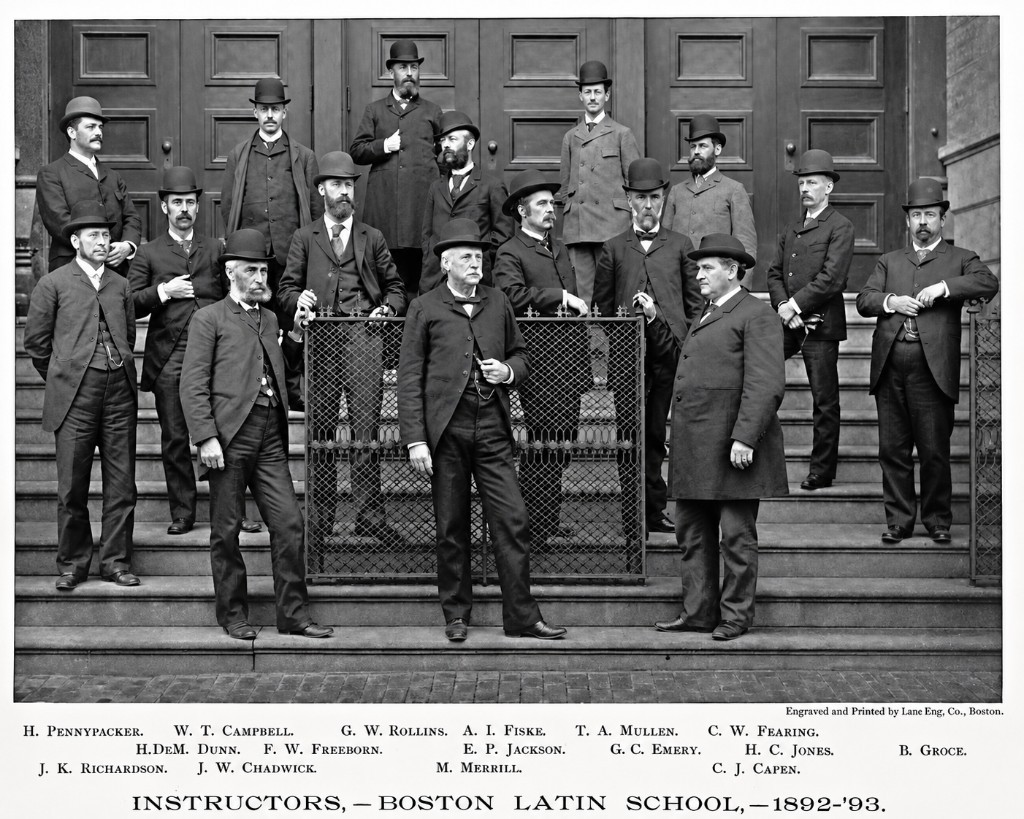
Henry Champion Jones — Boston Latin School, 1892–93 Faculty group photograph with instructor names printed below. H. C. Jones is listed among the Boston Latin School instructors.
Owner from 1893 · summer resident
Born August 14, 1856, in Tisbury on Martha’s Vineyard; died May 15, 1942, in Cambridge. He attended the United States Naval Academy from 1873 to 1875 and earned an A.B. in 1880 and an A.M. in 1881 from Harvard. He was a longtime teacher at Boston Latin School — not Roxbury Latin School. Historical accounts associate him with Boston’s Arnold Arboretum and describe a strong interest in plants and landscape; he is not documented here as an Arboretum employee, director, or professional landscape architect. He purchased the Oliver House in 1893 and used it as a summer and country residence with his family.
born 1873
Wife of Henry Champion Jones
Ethel Bowditch Jones married Henry on March 30, 1901. She came from the Bowditch family; her father was Dr. Henry Pickering Bowditch, Harvard Medical School physiologist, professor, and dean.
Henry Champion Jones and his family used the old Middleborough property as a summer and country residence, bringing a new chapter of family life to the house. Contemporary evidence identifies Middleborough as the family’s summer residence; this was not necessarily Henry’s primary year-round home.
Within the Jones family, the Middleborough summer home was remembered as “Sproats,” preserving the name of the family that had occupied the property before them. That informal name reflects how the Jones family understood the house’s recent past; it is not established as an official legal property name.
Family possessions also traveled to the Middleborough house. Provenance preserved with a Federal cherrywood sideboard records that it was shipped from Vineyard Haven on Martha’s Vineyard to “Sproats,” providing a tangible glimpse of how the Jones family furnished their summer home. The sideboard is not described as remaining at the Oliver House today.
Henry and Ethel Jones had four children. The four Jones children were part of the family whose summers were associated with the Middleborough property. Residence at the Oliver House every summer is not claimed for each child.
1901–1998
Eldest daughter; painter of the upstairs world-map mural.
1904–1997
1906–1990
1912–1968
A Daughter’s Mark on the House
Deborah Champion Jones left one of the Jones family’s most personal marks on the Oliver House. In the early 1900s, while sharing an upstairs bedroom with her sisters Lucy and Ethel, Deborah painted a decorative world-map mural above the fireplace. Created for the sisters’ enjoyment, the mural survives today as a remarkable reminder that the Oliver House was not only a historic property, but also a family home filled with the everyday lives and creativity of the people who stayed there.
The Town of Middleborough’s Oliver House interior preservation documentation identifies Deborah as the artist of the surviving second-floor mural, which depicts a world map with decorative illustrations.
Later renovations changed the appearance of the room, leaving vertical white lines across portions of Deborah’s mural. Town preservation records note that Deborah later expressed her dislike of those lines, and Jones-family descendants have shown interest in seeing the artwork restored.
Henry Champion Jones’s legacy was not limited to the house itself. Jones approached the property as more than an old house. His interest in plants and landscape helped shape the grounds into a country retreat. Specimen trees planted during the Jones period — including yellowwood, European beech, and Norway spruce — became part of the property’s character. Preservation research also suggests that he may have helped design and establish the formal plantings around the front of the house.
His landscape work represents a different kind of preservation: rather than simply maintaining the eighteenth-century house, the Jones family added another historical layer to the property.
The Jones era also coincided with some of the most important early documentation of the Oliver House. Measured architectural drawings were prepared during this period. In 1936 the property was recorded for the federal Historic American Buildings Survey, preserving photographs and architectural information associated with photographer Arthur C. Haskell that remain valuable to understanding the building today. Jones is not documented here as having personally commissioned HABS.
Published accounts report that Henry’s health caused him to stop using the Middleborough property by the early 1940s. He died May 15, 1942, in Cambridge. Following Henry Champion Jones’s death, the property remained with his family before passing to new ownership in the mid-1940s. Secondary sources disagree on whether the transfer occurred in 1945 or 1946; a recovered 1945 deed exists in project research, but the full legal chronology has not been fully reconciled here.
Mid-1940s through Town ownership
After the Jones family’s ownership ended in the mid-1940s, Peter Oliver of Mount Kisco — a later Oliver relation, not Dr. Peter Oliver Jr. — purchased and restored the house. The Town of Middleborough acquired the historic-house parcel in 2016.
1898–1985
Restorer and later owner
A later Oliver relation — not Dr. Peter Oliver Jr. — who purchased the house in 1945 and restored it using original materials to return the home toward its eighteenth-century appearance.
1920–2010
Twentieth-century steward
Published histories associate Starr O. Lawrence with continued care of the Oliver House during the family’s twentieth-century ownership.
1928–2024
Family historian
An Oliver descendant who advocated for the house’s preservation and shared its history during the Town’s acquisition process.
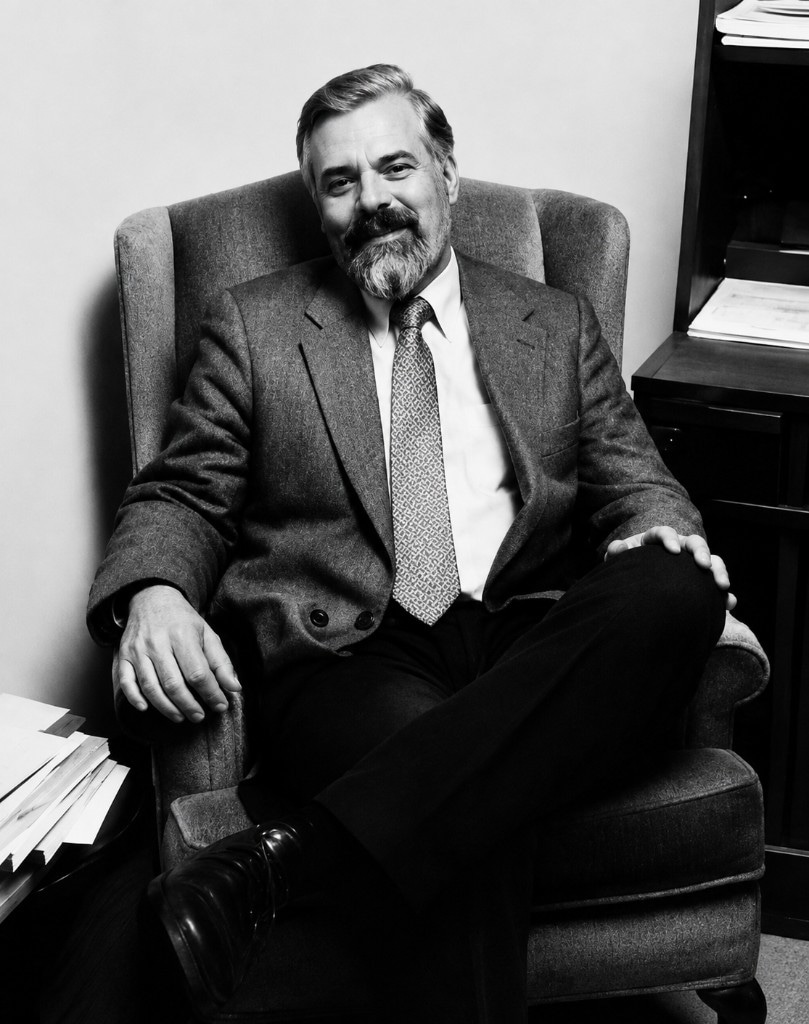
Click image to enlarge
George V. Simmons, 1986 — Timaron, Middleboro High School
Academic Dean, English
1986 yearbook photograph; not public domain.
George V. Simmons was among the later residents of the Oliver House, continuing the home’s long history as a residence well into the modern era.
Simmons was a longtime educator in Middleborough. He taught English at Middleboro High School and also served as the school’s Academic Dean. A surviving 1986 faculty photograph in the Timaron yearbook identifies him as “George V. Simmons — Academic Dean, English.”
His connection to the Oliver House represents an important part of the property’s more recent history. While the house is best known for its eighteenth- and nineteenth-century families, people such as Simmons connect the historic home to generations of Middleborough residents who knew the property in the twentieth century.
Historical research into Simmons’s years at the Oliver House and his connection to the property is continuing, and additional verified information will be added as it is documented.
For more than two centuries, the Oliver House was home to generations of families whose lives became part of Middleborough’s history. This collection brings together authentic portraits and photographs of people documented as having lived within the house.
The Middleborough Tourism Committee continues to research and verify historical likenesses connected to the property. Additional portraits will be added as authentic images are located and documented.
Click image to enlarge
1713–1791
Oil portrait, 1781
Judge Peter Oliver — colonial Chief Justice and traditional builder of the Oliver House — is not to be confused with his son, Dr. Peter Oliver Jr. (1741–1822). Published histories credit him with building the house; he is not described as a resident of the smaller house.
Historical portrait
Confirmed identification
Click image to enlarge
1741–1822
Pastel portrait, circa 1805–1820
Dr. Peter Oliver Jr. was an early resident of the Oliver House and a member of the Oliver family for whom the historic property is named.
Yale University Art Gallery / National Portrait Gallery
Confirmed identification
Click image to enlarge
1744–1780
Portrait miniature, circa 1770–1780
Sarah “Sally” Hutchinson Oliver was the wife of Dr. Peter Oliver Jr. and part of the Oliver family during the house’s eighteenth-century history.
Yale University Art Gallery / National Portrait Gallery
Confirmed identification
Click image to enlarge
1770–1834
Historical portrait
Thomas Weston became associated with the Oliver House in the late eighteenth century and lived there with his family during the Weston period of the property’s history.
Original Weston family portrait
Confirmed identification
Click image to enlarge
1775–1830
Historical portrait
Abigail “Nabby” Doggett Weston was the wife of Thomas Weston and part of the Weston family that lived at the Oliver House during the early nineteenth century.
Original Weston family portrait
Confirmed identification
Click image to enlarge
1842–1892
Historical portrait, 1902
Henry Hamilton Sproat was the son of Earl/Earle and Bethania Weston Sproat and grew up at the historic Sproat homestead in Middleborough. He later became a physician and represents the nineteenth-century Sproat generation associated with the Oliver House.
A History of the Town of Freetown, Massachusetts (1902)
Confirmed identification
Click image to enlarge
1856–1942
Boston Latin School faculty photograph, 1892–93
Henry Champion Jones purchased the Oliver House in 1893. A longtime educator associated with Boston Latin School, Jones and his family maintained the historic Middleborough property for decades.
Boston Latin School faculty photograph, 1892–93 — H. C. Jones named in published instructor list
Strong identification — verify against primary sources
Click image to enlarge
Faculty yearbook photograph, 1986
George V. Simmons was a later resident of the Oliver House and served at Middleboro High School as an English teacher and Academic Dean.
1986 Timaron, Middleboro High School
Confirmed identification
The Oliver House stands in Muttock, the historic name used for this part of Middleborough, where the Nemasket River powered early industry. Town Meeting voters approved acquiring the historic-house parcel in April 2015, and the Town of Middleborough completed the purchase in 2016.
After restoration was finished around 2017, the property continued as a public historic site. The Town remains the owner. Since mid-2026, the Middleborough Tourism Committee has served as official caretaker, helping support tours, events, public programming, and stewardship.
Ongoing preservation — including envelope repairs, interior restoration, and careful maintenance of historic fabric — is part of that public care. Specific contractor scopes and committee assignments beyond this caretaker role are not listed here.
During the Jones family’s summer residency, Henry Champion Jones shaped the grounds with specimen trees and, preservation research suggests, formal plantings around the front of the house. See the Jones Family chapter above for the full landscape history.
Grounds access follows the tour and event schedule.
Documentary photography currently available from the Oliver House site. Interior, garden, and archival images will be added when rights-cleared files are supplied.
Oliver House exterior, 445 Plymouth Street.
Photograph from the local Oliver House site.
The family chapters above draw on published town and county histories, a First Church membership roll, cemetery transcripts, and local historical essays. Detailed citations stay in the research notes. Claims that appear only in unsourced family trees or ghost-tour copy are not used as fact.
Address: 445 Plymouth Street, Middleborough, MA
Event-specific arrival notes, when they exist, are published with each listing rather than guessed here.
Do not assume parking is available on the estate grounds.