About
About Middleborough
History, nature, community, and the heart of southeastern Massachusetts.
Middleborough is a community shaped by water, agriculture, industry, and generations of people who have called this part of southeastern Massachusetts home.
Spread across more than seventy square miles of rivers, woodlands, farms, and village centers, the town offers a mix of deep local history and everyday New England life — herring in the Nemasket each spring, cranberry bogs on the horizon, a downtown that still gathers neighbors, and landmarks that reward a closer look.
A Place with Deep Roots
Long before European colonists arrived, the Nemasket River valley was home to Indigenous peoples who shaped their lives around its water, fish runs, and seasonal camps. The Nemasket band was part of the Wampanoag world connected to the Pokanoket leadership of Massasoit. Principal settlements included places along the Nemasket, at Assawompset Pond, and at Titicut — including Muttock, where industry and memory still converge today.
Published archaeological research near the mouth of the Nemasket River has documented Indigenous use extending thousands of years into the past, including radiocarbon-dated materials from the Archaic period. That deep timeline belongs to the story of this place on its own terms — not merely as a prelude to later settlement.
European settlers established the community at Nemasket in the early 1660s, first under Plymouth Colony jurisdiction. The town was incorporated as Middleborough — spelled Middleberry in early records — in 1669. The name Nemasket, carried by the river and the earlier settlement, is traditionally interpreted as referring to the place of fish, especially the herring and alewife that still migrate upstream each spring.
During King Philip’s War (1675–1676), settlers took shelter in a palisaded fort along the Nemasket before withdrawing to Plymouth Colony. In their absence, the village was destroyed and would be rebuilt only after several difficult years. Western Middleborough later separated in 1853 to form Lakeville, taking with it much of the town’s direct access to the Assawompset Ponds.
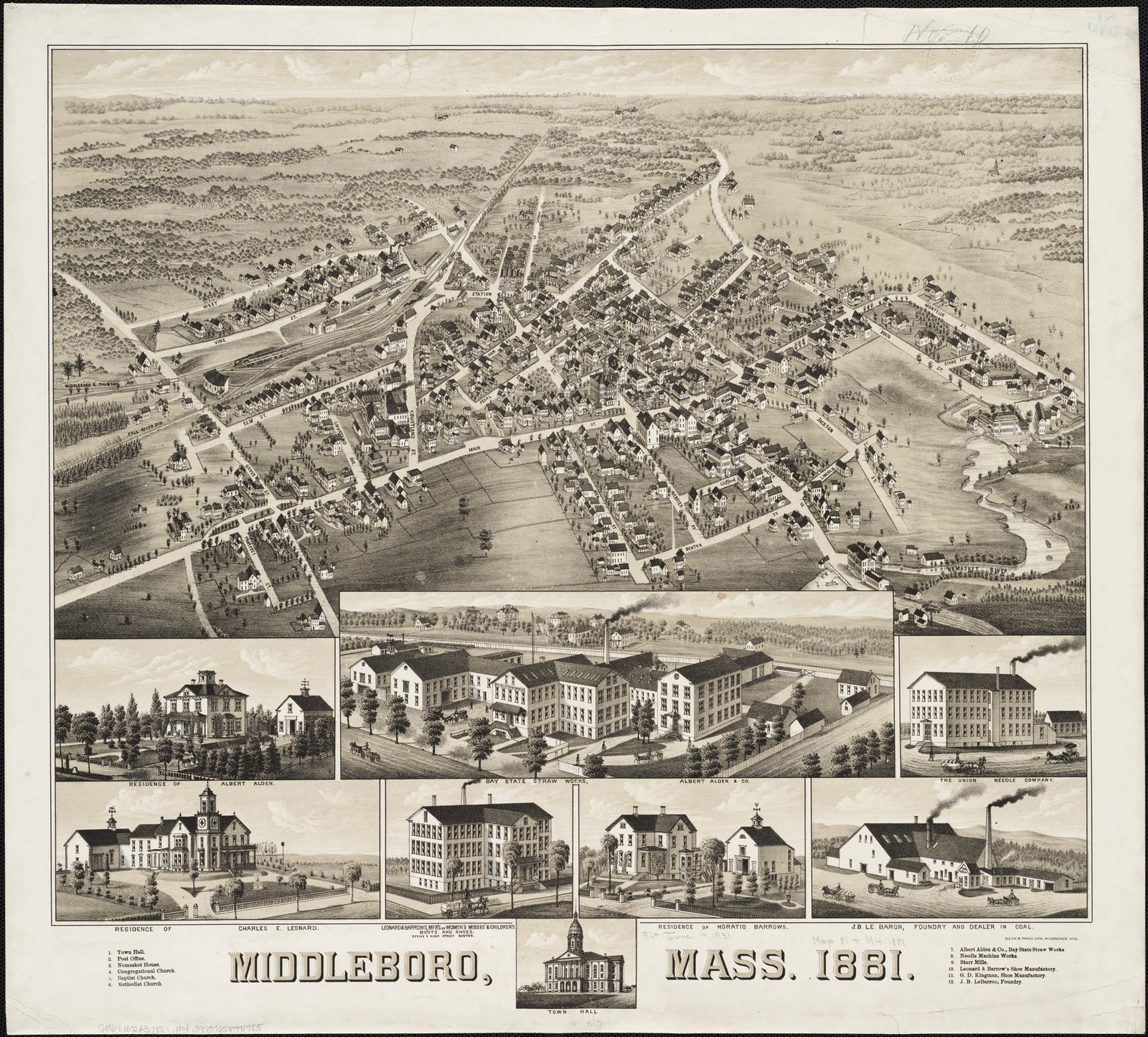
Middleboro, Mass. 1881 — title as printed on the source lithograph.
The river at the center
The Nemasket River
From Indigenous fishing camps to colonial mills and today’s conservation lands, the Nemasket ties Middleborough’s chapters together.
The Nemasket River runs through the heart of the community and into the Taunton River system. For Indigenous people, its spring herring and alewife runs were a seasonal gathering place. For colonial and nineteenth-century Middleborough, its flow powered forges, mills, and factories — especially in Muttock, where Judge Peter Oliver’s ironworks once stood.
Today the river still defines the town’s landscape. Each spring, alewife and blueback herring move upstream toward the Assawompset Ponds complex to spawn — a living tradition that connects modern visitors to centuries of local life. Trails, parks, and conservation land along the waterways offer an easy way to see that natural side of Middleborough.
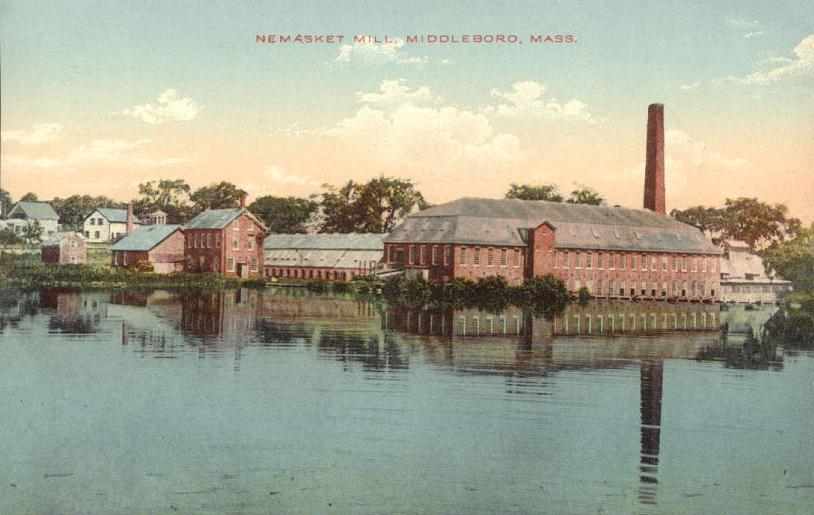
Nemasket Mill, Middleboro, Mass. — caption as printed on the source image.
Agriculture & Cranberries
Farming has never fully left Middleborough. Fields, homesteads, and working farms still shape the town’s edges, from dairy land preserved at places like Pratt Farm to community agriculture at Soule Homestead.
Cranberries became the crop most closely associated with Middleborough’s identity. The town has long proclaimed itself the “Cranberry Capital of the World” — a nickname rooted in local pride and the region’s historic role in cranberry cultivation, not a formal national designation. Ocean Spray, the well-known growers’ cooperative, maintains corporate offices nearby; the About page treats that connection as part of the town’s agricultural story, not as corporate promotion.
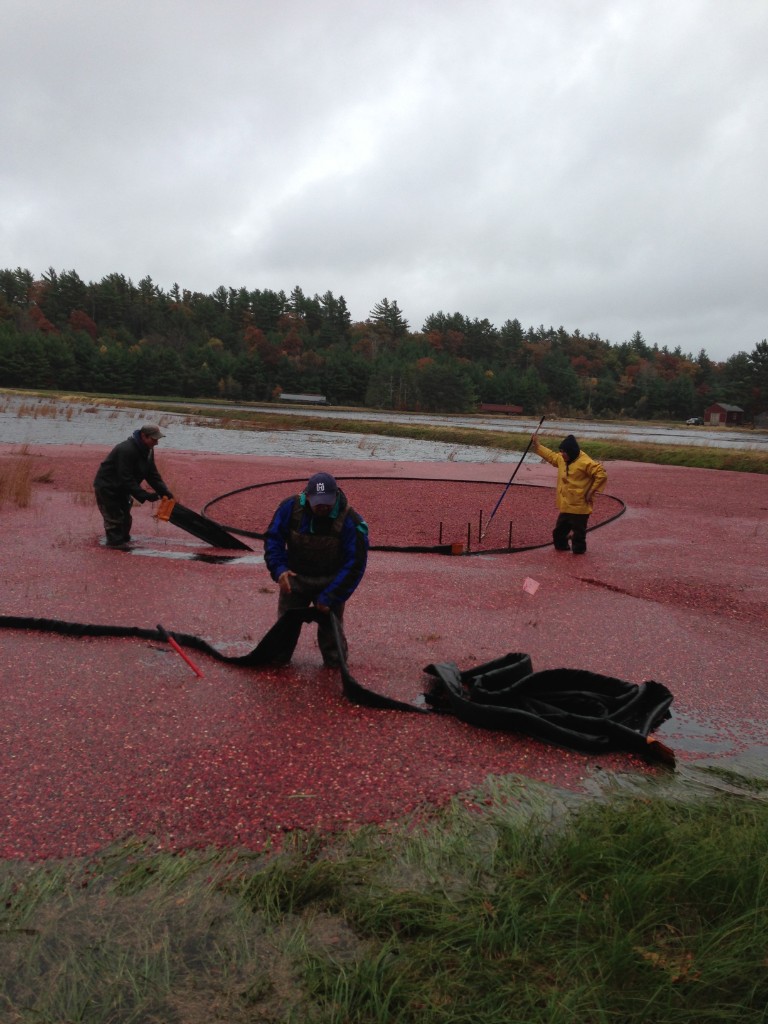
Cranberry harvest on the Old Korpinen bogs in Middleboro, Massachusetts.
Cranberry Harvest in Middleboro — photo by HalBrown, CC BY-SA 3.0 , via Wikimedia Commons .
Click image to enlarge
Industry & Shoemaking
Waterpower on the Nemasket and nearby streams supported ironworks, forges, and mills from the colonial period forward. As transportation improved in the nineteenth century, manufacturing expanded — and Middleborough became one of New England’s important shoe towns.
The town was once widely described as the “shoe capital of the world,” a historical nickname reflecting the scale of local production rather than a literal modern title. Charles H. Alden founded the Alden Shoe Company in Middleborough in 1884; after decades of New England shoemaking, Alden remains one of the last major shoe manufacturers in the United States, with production continuing in Middleborough today.
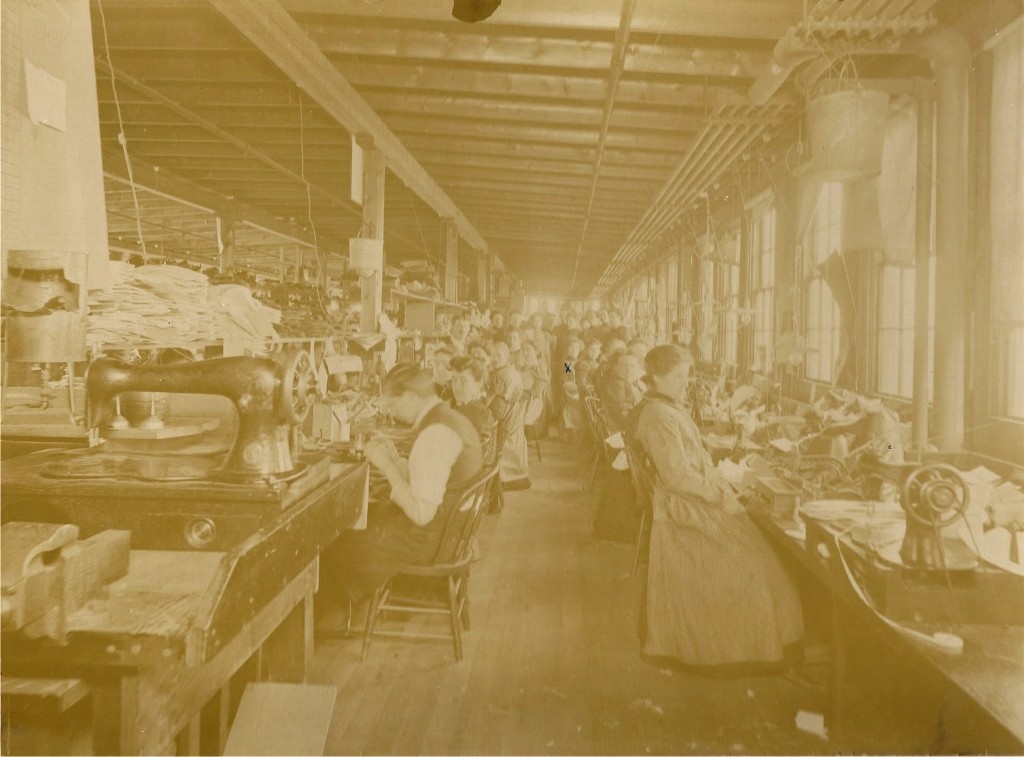
Hathaway, Soule & Harrington shoe factory, Cambridge Street, Middleborough, late 1890s. Courtesy of Recollecting Nemasket.
Click image to enlarge
History You Can Still Experience
Middleborough’s past is not locked in a textbook. Much of it is still visible on the ground.
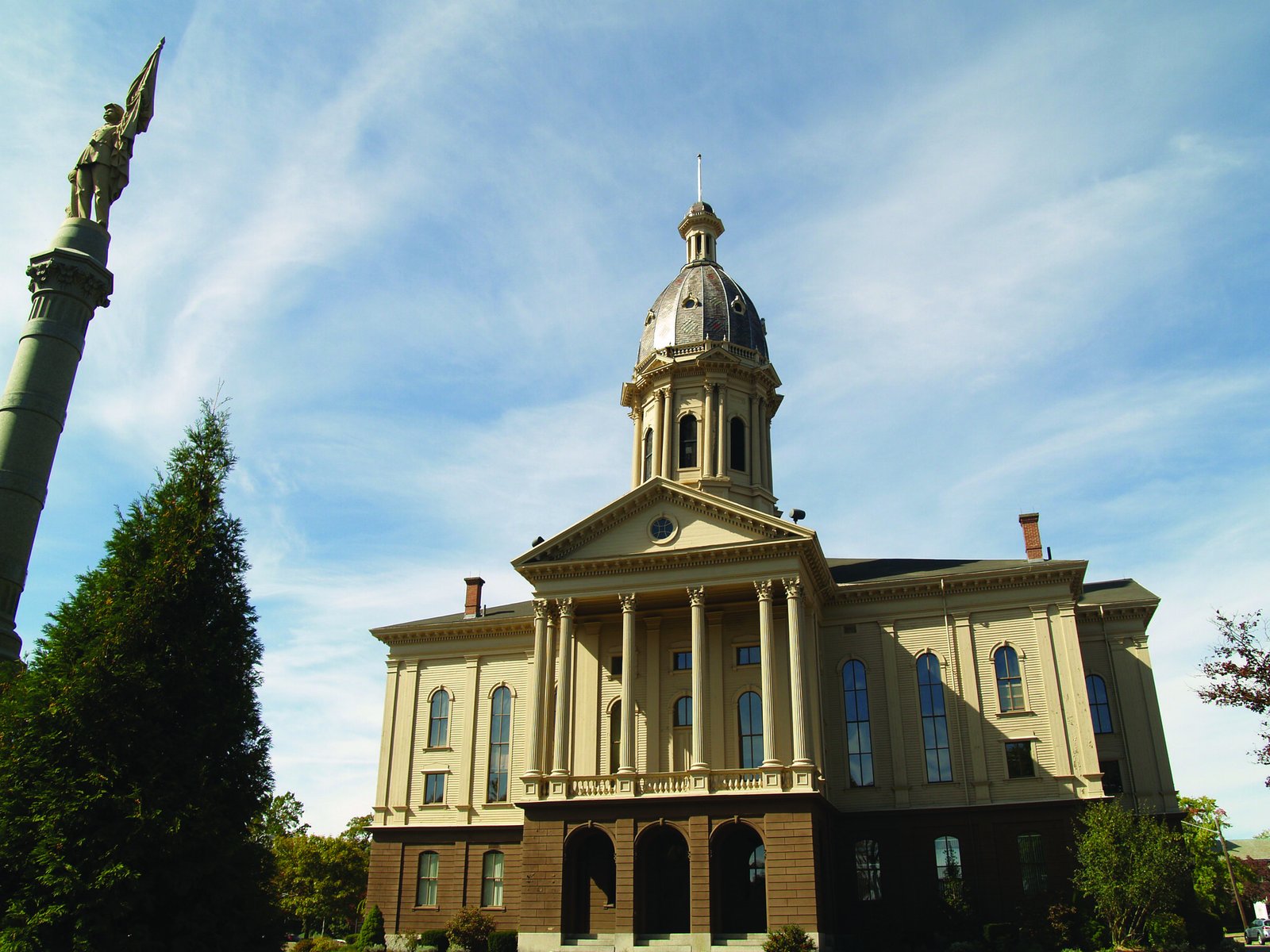
The Oliver House at 445 Plymouth Street — in Muttock, the historic name used for this part of Middleborough — carries the stories of colonial, Revolutionary, and nineteenth-century families. Oliver Mill and Park preserves the industrial landscape that grew up around the Nemasket. Downtown still centers on the Victorian-era Town Hall and the Greek Revival library nearby.
The Middleborough Historical Museum, managed by the Middleborough Historical Association, gathers buildings and collections that interpret local life. These are starting points, not a complete directory — the Things to Do and Oliver Estate pages go deeper where this site already has dedicated coverage.
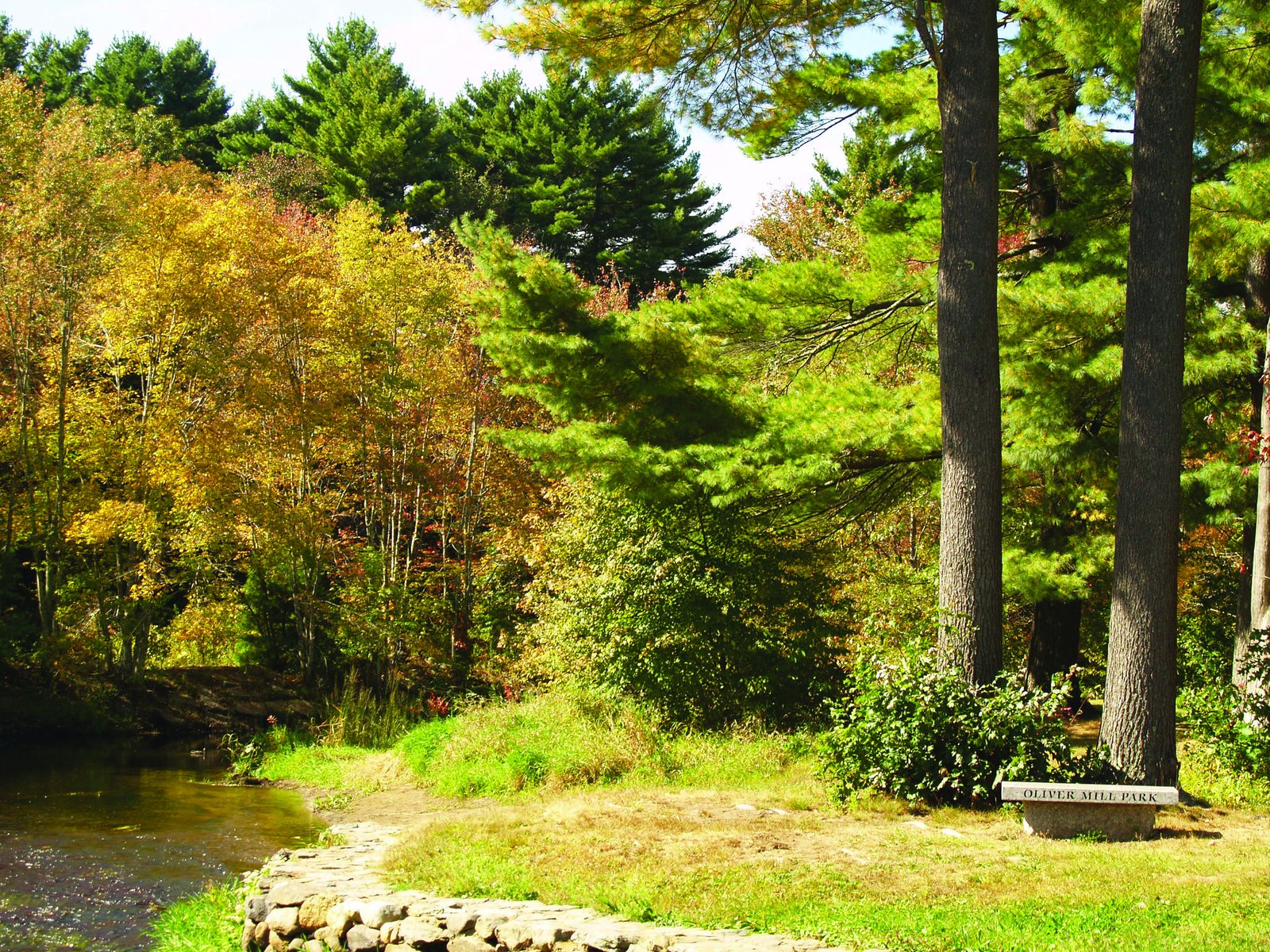
Oliver Mill Park — name carved on the stone bench in the photograph.
Nature & Outdoors
Middleborough’s size is part of its appeal. Woodlands, ponds, conservation areas, and riverfront trails offer room to walk, paddle, birdwatch, or simply pause — especially in spring when the herring run draws neighbors to the Nemasket.
Pratt Farm, Soule Homestead, Oliver Mill Park, and other open spaces listed on this site are good places to start. The Outdoors section of Things to Do gathers verified listings for farms, parks, and recreation.
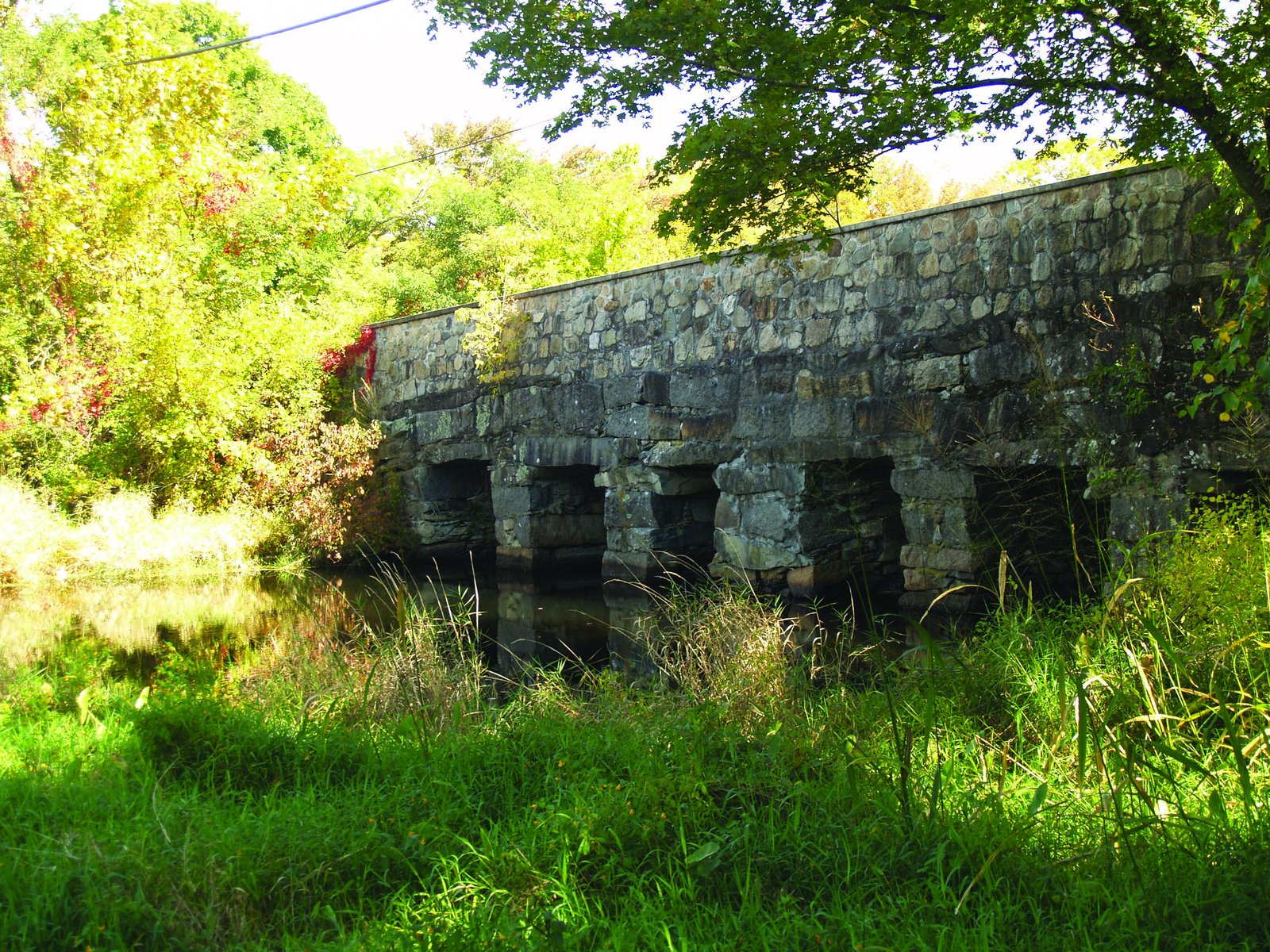
Stone bridge published on the prior About page; location not labeled on the file.
Middleborough Today
Middleborough is not a museum piece. It remains a working town — with active agriculture, local restaurants and shops, community festivals, school traditions, and new residents finding room alongside families who have been here for generations.
Events such as the Herring Run Festival and Crantoberfest, listings on the events calendar, and the dining and shopping directories on this site reflect that ongoing civic life. History here is a layer in a living community, not the whole identity.
This website
Discover Middleborough
Discover Middleborough is the official tourism website of the Middleborough Tourism Committee. Its purpose is to help residents and visitors find what is happening in town — from events and local businesses to historic places, outdoor recreation, and the Oliver Estate.
The site is maintained by committee volunteers and is meant to be a practical guide: where to eat, what to explore, what is on the calendar, and how to learn more about the places that make Middleborough distinctive.
The Middleborough Tourism Committee
The Middleborough Tourism Committee is a volunteer group dedicated to encouraging economic vitality through sponsorship, marketing, and support of local events and attractions. Published committee materials describe volunteers who maintain this website and the committee’s Facebook presence and who help host community programs including the Herring Run Festival and Crantoberfest.
Since mid-2026 the committee has also served as official caretaker of the Oliver House, supporting tours, events, and public programming at the Oliver Estate on behalf of the Town of Middleborough, which remains the property owner.
Discover Middleborough
Whether you are here for history, a walk along the Nemasket, a local meal, an afternoon of shopping, or one of our community events, there is more of Middleborough to discover.